Things to Do in Guinea-Bissau in April
April weather, activities, events & insider tips
Low Season · Budget Friendly
April Weather in Guinea-Bissau
Long-run averages for April in Bissau
91°F (33°C)
High Temp
69°F (20°C)
Low Temp
0.0 inches (0 mm)
Rainfall
56%
Humidity
12
Sunny-Day UV
⚠ April sun here is brutal. Cloudless skies mean UV hits hard. Water reflects it. Pirogues amplify exposure from every angle. Reapply sunscreen every two hours. Wear a wide-brimmed hat even on boats. No exceptions. The reflection burns worse than direct sun.
⚠ Midday hits 33 degrees Celsius. That is 91 degrees Fahrenheit. Shade disappears outside towns. Walking between 11 AM and 3 PM is punishing. Island trails bake. Laterite roads stretch treeless for kilometers. Heat exhaustion is real. Plan mornings. Plan evenings. Skip the middle hours.
⚠ Mosquitoes carry malaria here. Dry season does not stop them. Dawn and dusk bring peak biting. Antimalarial pills are mandatory. DEET repellent is mandatory. April feels safer. It is not. The lack of rain lies to you. Do not believe it.
Making the most of April in Guinea-Bissau? Browse tours and activities in Guinea-Bissau on GetYourGuide.
Is April Right for You?
Weigh the advantages and considerations before booking
Advantages
- + Zero rainfall through all of April makes this the tail end of Guinea-Bissau's dry season. It is the most reliable month for reaching the Bijagos Archipelago by pirogue. Seas stay flat enough for open wooden boats to cross. Cancellations plague the wet months from June onward.
- + Cashew harvest season opens across the countryside in April. Rural villages turn into open-air processing yards. The sharp, tangy scent of ripe cashew fruit hangs in the warm air. This offers an unfiltered view of the economic engine that drives the entire country.
- + Tourist numbers are negligible even by West African standards. You will likely be the only outsider on Bubaque's sand-packed trails. Walk through Bolama's crumbling colonial ruins. Watch chimpanzees in Cantanhez Forest with a local guide.
- + Humidity at 56% is far more tolerable than the 85-88% that saturates everything during the June-through-October wet season. The mornings before 9 AM in Bissau carry an almost pleasant warmth. This makes the capital worth exploring on foot.
Considerations
- − Midday heat regularly hits 33 degrees Celsius (91 degrees Fahrenheit) under cloudless skies. Shade is scarce outside of town centres. Any island excursion or forest walk needs to start at dawn. Or wait for late afternoon. You risk genuine heat exhaustion on exposed trails otherwise.
- − Guinea-Bissau's political situation has been unstable since late 2025. Curfews or movement restrictions can appear without warning. Check your government's current travel advisory before committing to flights. Register with your embassy in Dakar or the nearest consular office.
- − Tourism infrastructure is skeletal across the country. Island accommodation is limited to a handful of small eco-lodges. Mainland roads outside Bissau are unpaved laterite. Red dust billows through vehicle windows for hours. Medical facilities capable of handling anything beyond basics are effectively nonexistent outside the capital.
Short on time in April? See day trips around Guinea-Bissau on GetYourGuide.
Best Activities in April
Top things to do during your visit
Bijagos Archipelago Island-Hopping by Pirogue
The Bijagos Archipelago, a UNESCO Biosphere Reserve of 88 islands scattered across the shallow Atlantic shelf, is the single reason most travelers come to Guinea-Bissau. April is arguably the best month to do it. The open water between Bissau and Bubaque, the archipelago's main gateway island, lies flat enough that even narrow wooden pirogues powered by outboard motors make the crossing. You avoid the gut-churning swells of wet season. You motor through tidal channels where mangrove roots twist down into silty green water. Dolphins occasionally surface alongside the hull. Between islands the only sounds are wind and the rhythmic slap of small waves on painted wood. The islands range from Bubaque, where sandy tracks connect fishing villages and palm-shaded beaches that stretch empty in both directions, to the uninhabited northern atolls like Caravela. You wade ashore onto sand that nobody has walked on in days. April's dry heat means water visibility is at its annual best for snorkelling the shallows. The absence of other visitors means you negotiate departure times directly with pirogue captains over morning coffee. Plan at least four nights on the islands. Absorb the unpredictable rhythm of boat departures. Embrace the slow pace that makes these islands worth reaching.
Booking Tip: Arrange multi-day island itineraries through licensed operators in Bissau at least two to three weeks ahead. Pirogue captains and island lodges communicate primarily by radio. They have very limited capacity. See current excursion options in the booking section below.
Orango Islands Saltwater Hippo Tracking
Orango Grande, the largest island in the Bijagos chain, is one of the only places on earth where hippopotamuses live in saltwater. They wade through tidal mangrove lagoons and brackish estuaries. This differs from the freshwater rivers they inhabit everywhere else in Africa. In April, dry conditions concentrate the animals around remaining water sources inside Orango National Park. This tends to improve your odds of a sighting. Nothing with wild animals in dense coastal bush is ever guaranteed. The excursion is a roughly three-hour round-trip walk from the boat landing. A local ranger leads it. He reads hippo tracks pressed into dried mud. He listens for the low, grunting exhalations that carry across still air. The heat on this walk is punishing once the sun climbs. Departing Bubaque before dawn to reach Orango's shores by early morning is not optional. It is the difference between a memorable experience and a miserable one. Beyond the hippos, Orango's Bijago villages are home to matriarchal communities where women traditionally choose their husbands. This social structure has survived centuries. It remains visibly present in how daily life is organized.
Booking Tip: Day trips to Orango depart from Bubaque. They require a park ranger escort arranged through the national park office or your island accommodation. Bring at least three litres of water per person. Pack full-coverage sun protection. Check the booking section below for organized excursion options.
Cantanhez Forest Chimpanzee Walks
Cantanhez National Park sits in the southern corner of Guinea-Bissau near the Guinea border. It guards one of the last sub-humid coastal forest fragments in West Africa. The trees shelter western chimpanzees once thought extinct locally. April brings a dry and firm forest floor. The thinned canopy after the dry season makes spotting chimps moving between fruiting trees much easier than during the leafy wet months. You walk in groups of two or three with a guide who grew up alongside these primates. The experience feels nothing like the managed chimpanzee tourism of East Africa. No boardwalks exist here. No viewing platforms line the trails. No queue of minivans waits outside. The air inside Cantanhez smells of warm bark and decomposing leaf litter. Bird calls, insect drones, and the occasional sharp crack of branches form the soundtrack as a chimp shifts overhead. The park's mosaic of forest patches, mangrove, and open savannah also harbours Temminck's red colobus monkeys, Guinea baboons, and an impressive list of forest birds. Their calls echo between the trees at dawn. Worth every step.
Booking Tip: Access requires overland travel from Bissau. The drive covers roughly four to five hours on unpaved roads. You must plan a minimum two-night stay in the park area. Guides are arranged through the park's community-based conservation programme. Book at least two weeks ahead through operators specializing in West African wildlife. Check the booking section below for current options. Do not wait.
Bissau Cultural Walk and Bandim Market
Bissau rewards a slow day on foot if you approach it without expecting a West African capital with developed tourist infrastructure. Start at Bandim Market early. Go before noon. Heat clamps down fast. Vendors stack pyramids of tomatoes. They lay smoked fish on wire racks. Workers scoop raw cashews into newspaper cones from hessian sacks. The smell is pungent and layered. Dried shrimp rises. Wood smoke drifts. Palm oil warms in blackened aluminium pots. Sweet rot sits heavy near overripe mangoes. Walk toward the old Portuguese quarter from Bandim. Faded pastel buildings with warped wooden shutters line streets that feel completely hollowed out of their colonial purpose. The Pidjiguiti Memorial on the harbour marks the exact spot of the 1959 dockworkers' strike that ignited the independence movement. Find a barraca for lunch. The open-air eating stalls near the market serve authentic caldo de mancarra. Order slow-cooked chicken in a thick, earthy groundnut sauce spooned generously over rice. The peanut paste is often pounded fresh that very morning. What arrives in a chipped bowl tastes smokier and richer than anything a hotel kitchen produces. Do not skip it.
Booking Tip: No advance booking needed for exploring Bissau. Hire a local guide who speaks Kriol, the country's actual lingua franca. This choice transforms the experience. Ask your accommodation to arrange one the evening before. Check the booking section below for guided city walk options. Go direct.
Bolama Island Colonial Ruins Exploration
Bolama is Guinea-Bissau's colonial capital until 1941 when the Portuguese left because the freshwater ran out. This island location sits in the southern Bijagos. Time stopped arriving here. Colonial administrators abandoned this site. A haunting landscape remains. Roofless buildings stand silent. A Governor's Palace shows strangler figs splitting the stone walls apart from inside. A central plaza reverts now. A derelict hospital presents wards open to the sky. Walking through Bolama in April's dry heat feels intense. Red laterite dust settles on every surface. Goat sounds echo off empty facades. This creates one of the most atmospheric afternoons you can spend in West Africa. The decay is not curated or fenced off. You walk freely through structures that once administered an entire colonial territory. The scale of what was left behind is startling. Stand in a room that clearly held official ceremonies. Find nothing but rubble and filtered sunlight. Guinea-Bissau's government wants UNESCO World Heritage status. The pursuit continues. The island is reachable from Bubaque by boat in roughly an hour. Make it a natural addition to any Bijagos itinerary. Pack snacks. Go now.
Booking Tip: Combine Bolama with a wider Bijagos island-hopping plan rather than making a standalone trip. Reaching the island requires a boat from Bubaque or Bissau. Arrange the crossing through your island lodge at least a week ahead. Check the booking section below for current options. Trust the route. Do it.
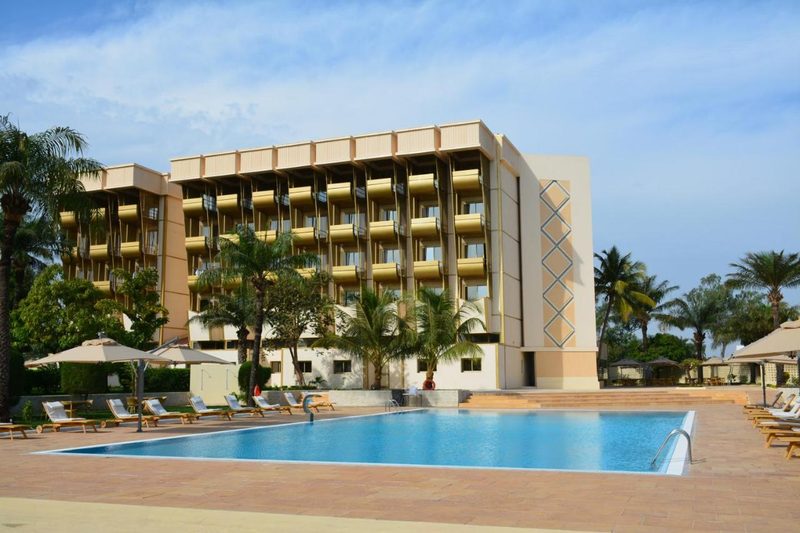
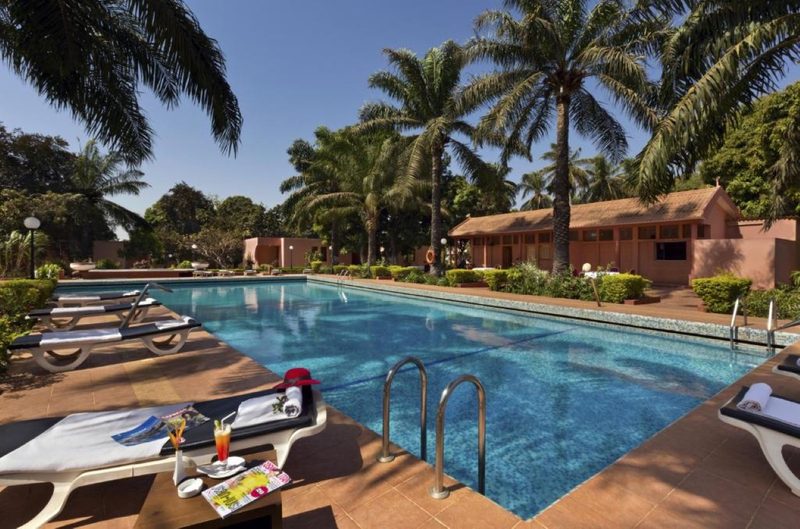
Where to Stay in Guinea-Bissau in April
Hand-picked hotels across price tiers for April travellers.

Public Holidays in April
Dates that affect opening hours, transport and crowds
Good Friday
Observed nationwide as a public holiday.
Easter Sunday
Observed nationwide as a public holiday.
Packing Checklist
Bookmark this page — your progress is saved between visits
Need the full list with shopping links?
Climate-specific gear, brand recommendations, and what to leave at home.
View Guinea-Bissau Packing List →Essential Tips
Insider knowledge and common pitfalls to avoid
Insider Knowledge
Learn a dozen phrases in Kriol before you arrive. Portuguese is the official language but Kriol is what people speak in markets, boats, and village squares. Even a stumbling 'Kuma ki bu sta?' opens conversations that stay shut for visitors who default to French or English. Almost nobody outside of a rare NGO compound speaks English. Portuguese gets you less warmth than Kriol does. Make the effort.
Find the caldo de mancarra at a barraca near Bandim Market, not in a hotel dining room. Women cook over charcoal in blackened pots that have been seasoning for years. The groundnut paste is pounded fresh each morning. The stew arrives in a chipped enamel bowl, spooned over rice. It tastes completely different from any restaurant version: earthier, with a charcoal smokiness that no gas stove can produce. Point at the pot. Hold up one finger. Sit on the bench.
April is your last reliable window for reaching the outer Bijagos islands. The wet season makes crossings increasingly risky from May onward. If saltwater hippos on Orango or the uninhabited northern atolls are on your list, April is the deadline for the year. After that, boat cancellations become routine. Some island lodges simply close until November. Plan accordingly.
Bissau's safety picture is manageable with common sense. The city empties out after dark. Walking alone at night is not advisable, even in the central neighbourhoods. Petty theft around Bandim Market is common enough that locals will warn you about it. Keep valuables out of sight. Avoid displaying cameras in crowds. Take taxis after sunset rather than walking.
Avoid These Mistakes
Do not underestimate how long everything takes. Distances on a map look modest. The combination of unpaved roads, boat schedules that operate on local logic rather than printed timetables, and the general pace of logistics in Guinea-Bissau means a 200 km (124 mile) overland journey can consume an entire day. Build buffer days into every plan. Treat departure times as approximate. Patience is essential.
Do not arrive without enough CFA cash for the full trip. There is no reliable ATM network anywhere in the country. Currency exchange outside Bissau is impossible. Nobody on the Bijagos islands accepts cards. Bring more cash than you think you need, in small denominations. Keep it distributed across your person and your bags. Plan for contingencies.
Do not skip antimalarial medication because April is dry season and feels less risky. Malaria is endemic year-round in Guinea-Bissau. The mosquitoes at dusk on the islands are aggressive regardless of rainfall. The nearest medical facility capable of treating a serious case may be a multi-hour boat ride plus a drive away. Prophylaxis is not a hedge here. It is a baseline requirement. Take your pills.
Ready to plan your trip to Guinea-Bissau?
Now that you've got the research covered, here's where to go next.
Explore More Activities in Guinea-Bissau
Didn't see anything interesting yet?
Browse Viator's full catalog of tours, day trips, food experiences, and private guides in Guinea-Bissau.
See All Guinea-Bissau Tours on Viator