Things to Do in Guinea-Bissau in February
February weather, activities, events & insider tips
Shoulder Season · Good Value
February Weather in Guinea-Bissau
Long-run averages for February in Bissau
91°F (32°C)
High Temp
64°F (18°C)
Low Temp
0.0 inches (0 mm)
Rainfall
37%
Humidity
10
Sunny-Day UV
⚠ Intense midday sun with high UV index requires serious sun protection.
Making the most of February in Guinea-Bissau? Browse tours and activities in Guinea-Bissau on GetYourGuide.
Is February Right for You?
Weigh the advantages and considerations before booking
Advantages
- + The red dirt roads are finally firm. You can drive inland to the national parks and the remote villages that turn into muddy dead-ends for most of the year.
- + The Atlantic swells settle. Regular boats thread through the Bijagós Archipelago and island-hopping becomes the norm, not a gamble.
- + The Harmattan has blown itself out. Air is clear, light is razor-sharp; peel-ing colonial walls in Bissau glow and Bubaque's palms snap into focus.
- + Life spills outdoors. Bandim fish market shouts, Praça dos Heróis Nacionais drum circles, cool evenings invite you in. No sweat.
Considerations
- − Ten rainy days still happen. Quick, brutal squalls slick Bissau's side streets into red clay slides and can erase your afternoon.
- − Peak season, thin as it is. Family pousadas on Rubane and Orango fill solid. Last-minute dreams die here.
- − Midday is merciless. Between 11am and 3pm, the Fortaleza de São José da Amura or Bubaque village paths will roast you without a hat, water, and sunscreen.
Short on time in February? See day trips around Guinea-Bissau on GetYourGuide.
Best Activities in February
Top things to do during your visit
Bijagós Archipelago Island-Hopping Tours
February is the archipelago's window. The sea lies flat enough for wooden pirogues to ferry you on a multi-day loop. Orango's hippos wait, Rubane's lodges are stocked, and the ilhéus offer the year's clearest snorkeling. You'll taste lobster grilled at sunset, hear palm fronds clack overhead, and see circular villages with their sacred balobas.
Cacheu River Mangrove & History Tours
North of the capital, the Cacheu River becomes a hushed mangrove maze. February water levels fit the narrow creek boats. Salt and wet earth fill your nose. The Fortaleza de Cacheu looms, its stones heavy with slave-trade memory. In Caió, women still pound palm oil in giant mortars, rhythm unchanged for centuries. Dry season means fewer mosquitoes.
Booking Tip: You need a guide with a boat, booked at least a week ahead. Pick one who folds in a village visit. See the booking widget.
Bissau Guided Cultural Walking Tours
Bissau works best on foot. February mornings are cool. A guide leads you into Bandim market chaos: fish sellers shouting, pão com peixe smoking on coals, produce stacked like paint pots. Then, quiet on Avenida Amílcar Cabral, the bullet-scarred Presidential Palace sits frozen since 1998. End in the Praça, feeling the city shift from colonial ghost to living West African hub. Light flatters every faded pastel wall.
Booking Tip: Book a half-day walking tour through your hotel a day ahead. Demand English or French. History here is tangled; you'll want it explained. Check the booking section.
Cantanhez Forest Ecotourism Visits
Southern Cantanhez forests dry out. Trails crunch underfoot and chimps descend to fruiting trees, protected by villagers who revere them. You'll listen more than watch: distant pant-hoots, leaves rustling, the guide crushing medicinal leaves. Humid, green, and steep; bring legs.
Booking Tip: This is no drop-in tour. Community tourism in Jemberem needs weeks of emails through a local NGO. Expect homestays, forest hikes, and full-on cultural immersion.
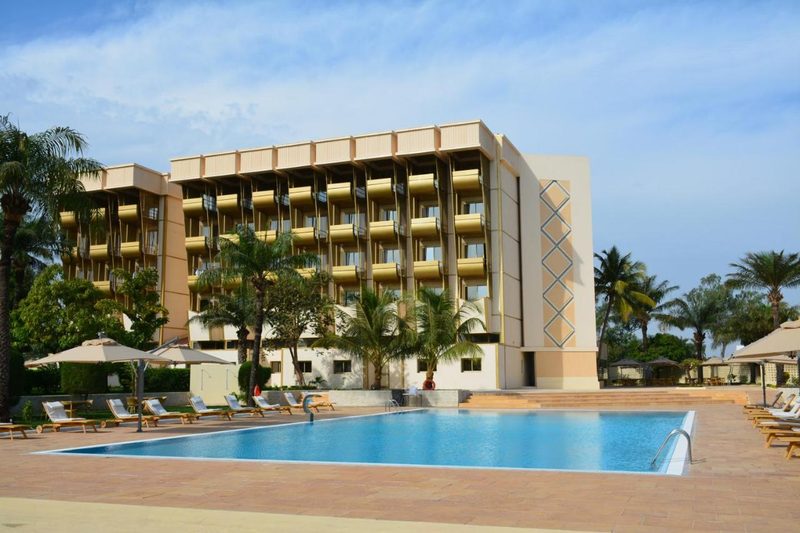
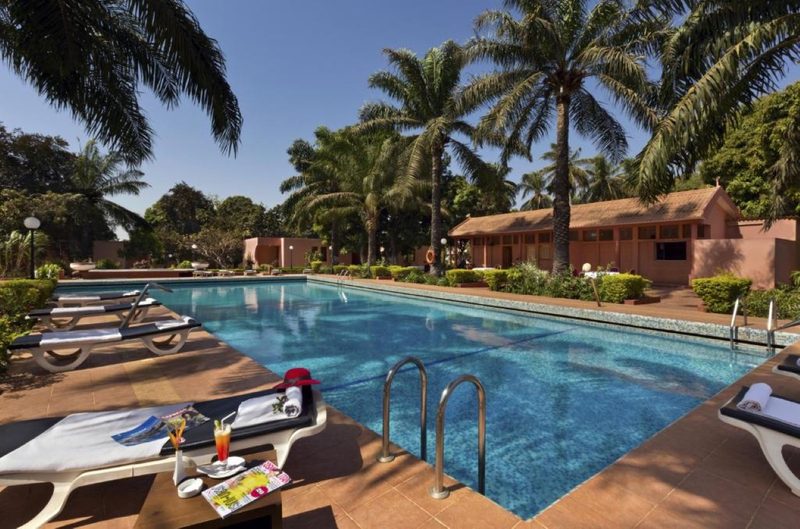
Where to Stay in Guinea-Bissau in February
Hand-picked hotels across price tiers for February travellers.

Packing Checklist
Bookmark this page — your progress is saved between visits
Need the full list with shopping links?
Climate-specific gear, brand recommendations, and what to leave at home.
View Guinea-Bissau Packing List →Essential Tips
Insider knowledge and common pitfalls to avoid
Insider Knowledge
Bissau's top 'restaurant' is no restaurant. After dark, grills flare near Bandim market. Follow charcoal smoke. Point at the glossiest 'capitaine'. Staff grill it whole, splash fiery piri-piri on top, slide it onto a plastic plate. Eat with fingers, standing, among locals. Costs almost nothing.
Board the pirogue mid-bench, not the gunwale. February Atlantic still throws surprise swells. Wood rides low. Keep camera in a dry bag.
Accept any invite to share food or 'café de cevada'. Sharing matters. Bring a postcard or pin from home. Never hand over cash.
Sunday afternoons in Bissau stall completely. Streets empty. Wander Cidade Velha. Hear only your steps and wind in kapok trees. Study cracked colonial facades at leisure.
Avoid These Mistakes
Don't cram the schedule. Map distances lie. Bissau to Varela beaches chews a brutal day on rutted tracks. Pick one zone.
Cards fail here. Bring clean USD or Euros. Change to West African CFA francs in Bissau. ATMs sputter. Islands demand cash.
Respect the sun. Dry heat tricks. Sip bottled water nonstop. Chug a liter before any boat or walk.
Ready to plan your trip to Guinea-Bissau?
Now that you've got the research covered, here's where to go next.
Explore More Activities in Guinea-Bissau
Didn't see anything interesting yet?
Browse Viator's full catalog of tours, day trips, food experiences, and private guides in Guinea-Bissau.
See All Guinea-Bissau Tours on Viator