Things to Do in Guinea-Bissau in July
July weather, activities, events & insider tips
Low Season · Budget Friendly
July Weather in Guinea-Bissau
Long-run averages for July in Bissau
84°F (29°C)
High Temp
73°F (22°C)
Low Temp
18.6 inches (472 mm)
Rainfall
86%
Humidity
11
Sunny-Day UV
⚠ July rainfall in Bissau averages 472 mm (18.6 inches), causing widespread flooding on unpaved roads throughout the country. Overland travel outside the capital becomes unreliable, with routes to the south toward Cantanhez and east toward Gabu regularly impassable for hours or days after heavy storms.
⚠ Malaria transmission peaks during the wet season as standing water covers most open ground. Guinea-Bissau has limited healthcare facilities and no in-country US or UK consular presence, carry prophylaxis, a treated mosquito net, and evacuation insurance.
⚠ Boat crossings to the Bijagos Archipelago are weather-dependent and frequently cancelled in July. Swells and wind can ground all vessels for days at a time with no advance warning, leaving travellers stranded on either side.
Making the most of July in Guinea-Bissau? Browse tours and activities in Guinea-Bissau on GetYourGuide.
Is July Right for You?
Weigh the advantages and considerations before booking
Advantages
- + Guinea-Bissau in July is as close to zero tourism as any country gets. You will likely be the only foreigner in Bandim Market, the only outsider wandering Bissau Velho's crumbling Portuguese facades, the only visitor in whatever waterlogged village you end up stranded in when the road washes out. If solitude and raw authenticity are what you came for, July delivers both in quantities that feel almost uncomfortable.
- + The cashew harvest is still in full swing through July, and the countryside around Bafata and Gabu smells of fermenting cashew fruit, a sharp, tannic sweetness that hangs in the humid air like overripe wine. Rural families process the nuts by hand outside their compounds, and the fresh-roasted cashews sold along roadsides in small plastic bags are oilier, sweeter, and nothing like the salted supermarket version you know. This is the one agricultural season that gives the entire economy its pulse, and watching it up close is a window into Bissau-Guinean life that no dry-season beach trip provides.
- + The landscape transforms. Guinea-Bissau's interior turns an almost violent green after weeks of rain. The bolanhas (rice paddies) flood and shimmer under flat grey skies, and the mangrove channels along the Geba River swell to navigable widths that the dry season reduces to mud. For photographers and birders, the wet-season palette is incomparably richer than the dusty browns of December through April.
- + Accommodation rates, where places remain open, drop to a fraction of dry-season pricing. Guest houses in Bissau that fill up during the November-to-March window have empty rooms in July, and negotiation is not only possible but expected. If you are on a tight budget and can tolerate the conditions, July stretches your money further than any other month.
Considerations
- − This is the heaviest rainfall month bar August, and 472 mm (18.6 inches) in Bissau alone means daily downpours that can last hours, not minutes. Roads outside the capital become impassable. The laterite tracks to the south toward Cantanhez turn to red clay soup, and even the main route between Bissau and Bafata floods at low points. Breakdowns and delays are not risks to plan around. They are certainties to build your itinerary on.
- − Most tourist-facing infrastructure shuts down for the wet season. Lodges on the Bijagos Islands close their doors sometime between June and October, boat crossings from Bissau to Bubaque become irregular and weather-dependent, and the few tour operators who serve the archipelago suspend service entirely. The wildlife highlights, green turtle nesting on Poilao, saltwater hippo sightings on Orango, peak between October and February, so July misses them completely.
- − Health risks escalate during the rains. Malaria transmission spikes when standing water covers every open surface, and Guinea-Bissau's healthcare infrastructure is among the thinnest in West Africa. The US State Department rates it Level 3 (Reconsider Travel), partly due to inadequate medical facilities, and the nearest US consular support is in Dakar, Senegal, a full day's travel away. Bring a complete medical kit, carry prophylactics, and make sure your insurance covers evacuation.
Short on time in July? See day trips around Guinea-Bissau on GetYourGuide.
Best Activities in July
Top things to do during your visit
Bissau Velho Walking Circuit and Fortaleza d'Amura
The old Portuguese quarter of Bissau is walkable rain or shine, and July's grey skies suit its mood. The pastel-coloured colonial facades of Bissau Velho, peeling, vine-wrapped, some abandoned since the civil war of 1998, look more haunting under cloud cover than in bright sun. The Fortaleza d'Amura, an eighteenth-century fortification overlooking the old port where the Geba meets the estuary, houses the mausoleum of Amilcar Cabral, the independence leader whose face is on the currency. Access to the interior is restricted, it remains a military site. But the exterior walls and the view down to the water are worth the walk. Plan mornings between seven and ten, before the humidity peaks and before the afternoon rains roll in. The streets are quiet, puddles reflect the shuttered balconies, and the occasional motorbike threading between the buildings is the only traffic. Combine this with a stop at the old cathedral and the Praça dos Herois Nacionais, the central square where political life still plays out under mango trees.
Booking Tip: No booking needed, this is a self-guided walk. Hire a local guide through your guest house for context and safety, in less-trafficked areas of Bissau Velho. See current guided options in the booking section below.
Bandim Market Immersion
Bandim is not a market you browse, it is a market that swallows you. The largest in Guinea-Bissau, it sprawls across an entire Bissau neighbourhood in a maze of corrugated-roof stalls and open-air tables where the air smells of smoked fish, palm oil, and the sharp green scent of freshly cut kola nuts. In July, with the cashew harvest still running, vendors sell fresh-roasted cashews warm from the fire, and the seasonal cashew fruit, fibrous, astringent, staining your fingers yellow, appears in heaps alongside mangoes and papayas. The textiles section is the draw for most visitors: hand-dyed panos (woven cloth strips used in Bijago ceremonial dress) and West African wax prints in colours that survive the humidity better than anything synthetic. Go early, before nine, when the fishmongers unload the morning catch and the smoke from charcoal grills hangs low over the concrete stalls. The heat and humidity after ten become oppressive even by local standards.
Booking Tip: No formal tour needed. Ask your accommodation to arrange a local companion who knows the vendors, this changes the experience entirely and reduces the chance of overpaying. Check the booking section below for cultural walking tours that include the market.
Geba River Mangrove Exploration by Pirogue
July is, counterintuitively, one of the better months for mangrove channels. The rains swell the Geba River and its tributaries to full navigable depth, opening channels that sit as dry mudflats from January to May. Travelling by pirogue, a hand-carved wooden canoe, poled or paddled by a local boatman, through the mangrove corridors south of Bissau brings you into a half-drowned world where the roots arch overhead and the water is the colour of black tea from tannins. The birdlife is dense: African fish eagles, malachite kingfishers, and herons work the channels, and the sound is equal parts bird call and rain on leaves. The humidity inside the mangroves sits at something close to one hundred percent, your clothes will be soaked within minutes regardless of rain, and the mosquitoes are ferocious after four in the afternoon. Bring repellent with high DEET concentration, wear long sleeves despite the heat, and schedule the trip for morning.
Booking Tip: Arrange through your guest house or a local guide network in Bissau, there are no formal tour operators for this route. Expect the pirogue to be basic: no shade canopy, no life jackets unless you bring your own. See the booking section below for available river and nature tours.
Gumbe Music and Nightlife in Bissau
Guinea-Bissau's musical identity runs on gumbe, a percussive, vocal-driven genre built around the calabash drum and a rhythmic pulse that owes something to both Portuguese fado and West African polyrhythm. In July, with the tourist bars closed and the expat crowd thinned out, the music scene retreats to local spots: neighbourhood bars in Bairro Militar and around the port where a single speaker, a guitarist, and three or four percussionists play until the generator runs out of fuel. The sound is looser and rougher than any recording, voices harmonise in Kriol, the creole lingua franca, over a beat that makes sitting still feel like a personal failing. Friday and Saturday nights are the best bets. The rain often clears by evening, the air cools to something breathable around 24 degrees C (75 degrees F), and the wet streets reflect the light from bar doorways in a way that makes even Bissau's patchwork infrastructure look cinematic. This is not a polished nightlife experience, it is music made for the people who live here, and July strips away the last pretence of performance for outsiders.
Booking Tip: No booking required. Ask locally for which bars have live music on any given weekend, the schedule is word-of-mouth only. Your guest house staff will know. Check the booking section below for cultural experience tours in Bissau.
Bolama Island Day Visit
Bolama, the former colonial capital of Portuguese Guinea, sits close enough to the mainland that the crossing remains possible even during the rains, weather permitting. The island is a time capsule: the old governor's palace is a roofless shell overtaken by ficus roots, the customs house still has its tile floors under a collapsing ceiling, and the wide avenues the Portuguese laid out for a capital city they expected to last are now silent and overgrown. In July the vegetation is so dense that some buildings are invisible until you are standing in front of them. There is no formal accommodation on Bolama, so plan this as a day trip from Bubaque or directly from Bissau if a boat is running. The ruins have a melancholy gravity that photographs well in overcast light, and the quiet, broken only by goats and the occasional motorbike, is total. Check conditions before committing: if the wind is up or the swells are running, the crossing is cancelled, and you will not get advance notice.
Booking Tip: Boat schedules are irregular in the wet season. Ask at the port in Bissau at least a day ahead. Travel with someone who speaks Kriol and can negotiate boat passage. See the booking section below for Bijagos-area tour options.
Where to Stay in Guinea-Bissau in July
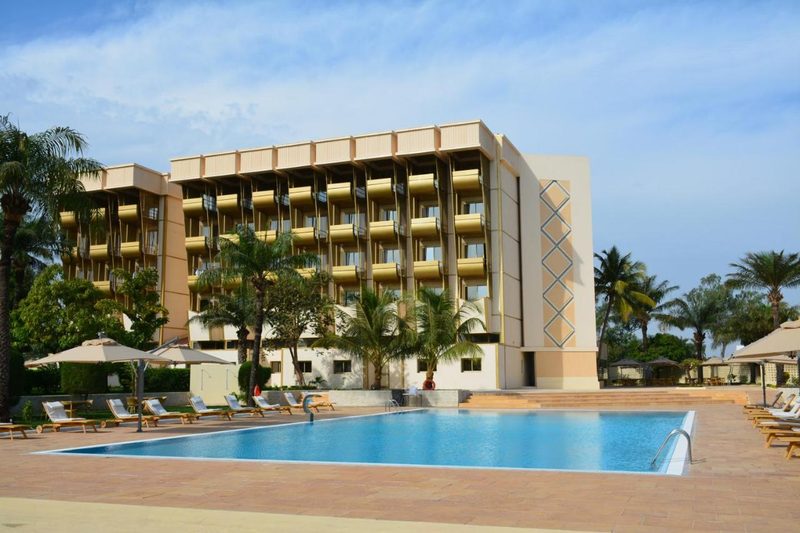
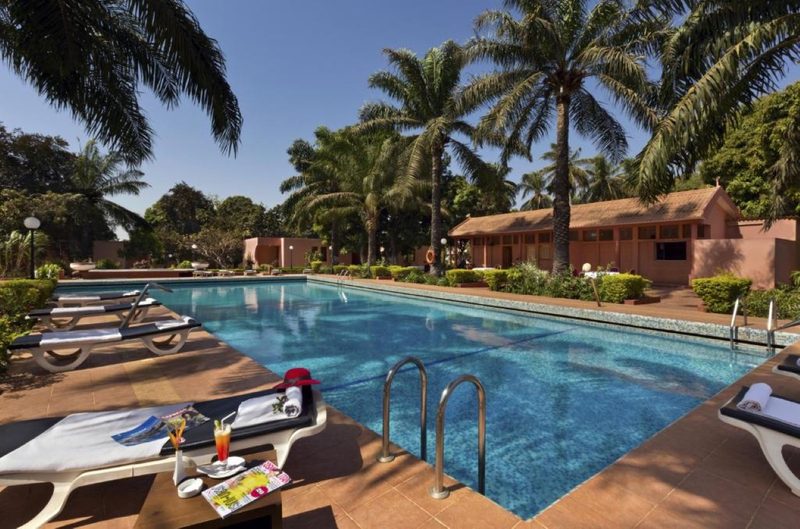
Hand-picked hotels across price tiers for July travellers.

Packing Checklist
Bookmark this page — your progress is saved between visits
Need the full list with shopping links?
Climate-specific gear, brand recommendations, and what to leave at home.
View Guinea-Bissau Packing List →Essential Tips
Insider knowledge and common pitfalls to avoid
Insider Knowledge
The weekly ferry to Bubaque in the Bijagos runs on paper. But in July it cancels more often than it sails. Do not build your itinerary around a fixed departure date. If a crossing happens and you want to go, take it, the next one might not run for days. Locals track departures by word of mouth at the port, not by any published schedule.
Kriol, not Portuguese, is the language that opens doors. Learn ten phrases, bom dia, kuma ku bu sta (how are you), obrigadu (thank you), kantu (how much), n ka sibi (I do not know), and the reception you get changes completely. Portuguese works in government offices and upmarket restaurants in Bissau. But in markets, villages, and boats, Kriol is the language of trust.
The cashew wine called caju, fermented from the fruit's juice, not the nut, is everywhere in July, sold from plastic jugs at roadsides and in markets. It is mildly alcoholic, slightly sour, and tastes like nothing else you have tried. It is also unpasteurised and varies wildly in hygiene. If your stomach is sensitive, stick to the bottled version when you can find it. But understand that most locals drink the fresh stuff without issue.
Guinea-Bissau's political situation has been unstable since the 2025 military intervention, and the atmosphere can shift quickly. Keep a low profile, avoid photographing military installations or uniformed personnel, including the Fortaleza d'Amura exterior if soldiers are present, carry a colour photocopy of your passport rather than the original, and register your travel with your embassy. The risk to tourists is low. But the infrastructure for dealing with problems is almost nonexistent.
Avoid These Mistakes
Planning a Bijagos Islands trip in July without confirming that lodges are open and boats are running. Most island accommodation closes for the wet season, and the crossings from Bissau are weather-dependent. Travellers who show up at the port expecting a reliable ferry schedule end up stranded in Bissau for days. Confirm everything by phone or message with the specific lodge before you leave home, and have a Plan B that keeps you on the mainland.
Underestimating the roads. The distance between Bissau and Gabu is about 200 km (124 miles) on the map. But in July that drive can take eight hours or more when the road floods. Renting a vehicle without four-wheel drive is a waste of money, and even with one, you will get stuck. Travel with a driver who knows the current road conditions, not a GPS that shows a line on a map.
Arriving without enough cash. Guinea-Bissau operates almost entirely on physical currency, and the handful of ATMs in Bissau are frequently empty or broken during the wet season. Bring enough West African CFA francs or euros to cover your entire stay, convert at official exchange points in Bissau (not at the airport), and keep reserves in a waterproof pouch. There is no fallback if you run out.
Ready to plan your trip to Guinea-Bissau?
Now that you've got the research covered, here's where to go next.
Explore More Activities in Guinea-Bissau
Didn't see anything interesting yet?
Browse Viator's full catalog of tours, day trips, food experiences, and private guides in Guinea-Bissau.
See All Guinea-Bissau Tours on Viator