Things to Do in Guinea-Bissau in January
January weather, activities, events & insider tips
Low Season · Budget Friendly
January Weather in Guinea-Bissau
Long-run averages for January in Bissau
87°F (31°C)
High Temp
64°F (17°C)
Low Temp
0.0 inches (0 mm)
Rainfall
39%
Humidity
8
Sunny-Day UV
⚠ The Harmattan wind carries fine Saharan dust across Guinea-Bissau throughout January, reducing visibility and air quality. Travelers with asthma or respiratory conditions should carry medication and a face covering. The dust is fine enough to irritate even healthy lungs after extended outdoor exposure.
Making the most of January in Guinea-Bissau? Browse tours and activities in Guinea-Bissau on GetYourGuide.
Is January Right for You?
Weigh the advantages and considerations before booking
Advantages
- + January anchors Guinea-Bissau's dry season. Zero rainfall hits Bissau. Humidity sits at 39 percent. That is a sharp drop from August's drenching 88 percent. Dirt roads firm up. They become passable for overland travel. Pirogues and catamarans serving the Bijagos Archipelago run reliably. Plan outdoor days freely. You will need no weather contingencies.
- + The dry season follows harvest. Bijago communities stage their most important ceremonies then. Masked dances dominate. The Vaca Bruto wild-bull helmet mask performances are dramatic. They develop across populated islands. Elders lead fanado initiation rites. These happen in sacred forests. Villages cycle through ritual celebrations. These have governed island life for centuries. January places you there. This is the archipelago's most culturally active window.
- + Nights cool to 17°C (64°F) in January. Sleeping without air conditioning becomes bearable. Morning walks through Bissau feel pleasant. Afternoons peak at 31°C (87°F). The gap between high and low is wide. You get more comfortable outdoor hours than May through November allows. Those months see lows barely dipping below 22°C (72°F).
- + Guinea-Bissau sees a fraction of visitors that Senegal or The Gambia attract. January is the strongest travel window. Even then, Bubaque's beaches host only a handful of other foreigners. The Bijagos Archipelago spans more than eighty islands. It is a UNESCO Biosphere Reserve. Life there follows tides and fishing seasons. Tour buses do not dictate the pace. Unmediated contact with an unpackaged place appeals to some. This is among the last West African coast stretches where that holds true.
Considerations
- − The political situation remains fragile. Repeated coups and attempted coups have shaken the country. As of late 2026, Bissau's security environment can shift without warning. Check your government's travel advisory before booking. Carry evacuation insurance. Register with your embassy. Skip this destination if political uncertainty makes you uncomfortable.
- − The Harmattan wind arrives in January. It carries fine Saharan dust. Skies turn milky grey. Surfaces coat evenly. Visibility drops. Sunsets lose color. Those with respiratory sensitivities will notice. The haze obscures archipelago views. These views rank among the country's main draws. Dust settles into cameras, bags, and lungs alike. Pack a buff or scarf. Seal your electronics in bags.
- − Infrastructure is thin nationwide. No ATMs function on the Bijagos Islands. Credit cards fail outside a handful of upscale lodges. Medical facilities in Bissau are minimal. Chloroquine-resistant malaria is present nationwide. Yellow fever vaccination is required for entry. Emergency evacuation to Dakar is the realistic fallback. Serious medical events demand this. Self-sufficiency is rewarded here. Assumptions are punished.
Short on time in January? See day trips around Guinea-Bissau on GetYourGuide.
Best Activities in January
Top things to do during your visit
Bijagos Archipelago Island Exploration from Bubaque
Dead-calm seas and zero rainfall make January most navigable for island crossings. Bubaque is the most accessible island. It is the usual base. A small ethnographic museum covers Bijago culture. Basic guesthouses line sand streets. Generators provide the loudest sound after dark. Boat transfers reach Rubane's palm-fringed sandbanks. Canhabaque holds sacred forests. Matriarchal Bijago communities govern daily life through ritual there. Poilao has turtle-nesting beaches. Green turtles haul ashore in West Africa's largest numbers. Water between islands stays warm enough to swim. Mangrove channels smell of salt and decomposing leaf litter. Tidal flats expose kilometres of sand at low water. Fiddler crabs and wading birds populate these flats. Dry-season ceremonies happen on inhabited islands. Masked dances occur in village clearings. Timing follows ritual calendars. Tourist schedules do not apply. Attendance is by invitation. It is not an entitlement.
Booking Tip: Book island transfers and accommodation early. Three to four weeks ahead is necessary. Licensed operators handle dry-season demand. Boats and beds are few. Confirm your vessel type. Motorised catamarans or launches beat open pirogues. The crossing from Bissau takes several hours. Open Atlantic water makes this rough. See current tour options below.
Birdwatching in the Mangrove Estuaries
Guinea-Bissau's coastline holds West Africa's most intact mangrove ecosystems. January's dry conditions open tidal channels. Shallow-draft boats navigate freely. Flooding closes these routes from June through October. The Cacheu River mangroves lie north of Bissau. Bijagos estuaries host palm-nut vultures, African fish eagles, and grey-headed gulls. January brings Palearctic migrants. Waders, terns, and herons flee European winters. They crowd mudflats in dense numbers. Binoculars become almost unnecessary. The Rio Geba estuary offers glassy water at dawn. Harmattan haze thickens later. The dawn chorus is a wall of sound. Kingfishers dart between mangrove roots. Weaver colonies chatter from branches. Humidity at 39 percent keeps lenses clear. Clothing dries fast. This matters for six-hour boat sits.
Booking Tip: Arrange guided boat excursions through operators in Bissau or through your Bijagos lodge. Book at least two weeks ahead. Confirm that the guide knows the tidal schedule. Low tide reveals the best flats. A boat can also strand in mud for hours. Reference the booking widget below for available nature excursions.
Bissau City Walking and Bandim Market
Bissau does not perform for visitors. That is its value. The old Portuguese colonial quarter along the waterfront features crumbling pastel facades and rusted balconies. A melancholy weight rewards slow walking in the cooler morning hours. Heat builds past 30°C (86°F). Bandim Market, the country's largest, sprawls across an entire district on the main road into the city. It is an outdoor maze of stalls. The smell of charcoal-grilled fish and roasting cashews competes with diesel from idling bush taxis. Vendors sell everything from hand-dyed textiles and carved masks to enormous baskets of raw cashew nuts. This crop dominates Guinea-Bissau's economy. The street food here is the real draw. Grilled fish waits on newspaper. Bowls of caldo de mancarra thick with ground cashew paste and rice fill the air. Bifanas, the Portuguese pork sandwiches that survived colonialism and became a staple in Guinea-Bissau's Creole kitchens, round out the meal. Start early, before eight. The market stalls are still being loaded. Temperature sits in the low twenties Celsius (low seventies Fahrenheit). By noon, the heat and dust make walking feel like work.
Booking Tip: No advance booking needed for Bandim Market or the colonial quarter. Arrange a local guide through your accommodation at least a few days ahead. You want context. Guides who grew up in Bissau know the market vendors personally. You get better conversations. This opens paths that a solo walk would not. Check the booking section below for available guided experiences in the capital.
Cashew Country Overland Journey to Bafata
The road from Bissau east to Bafata, Guinea-Bissau's second city, runs about 150 km (93 miles) through the interior. January is prime. You avoid fording flooded river crossings or losing hours to mud. The landscape shifts from coastal lowland to drier savanna as you move inland. The air grows hotter. The vegetation leans out. Bafata itself sits on the Rio Geba, a small city built around a colonial-era grid. Fula culture predominates there. The muezzin call marks the hours alongside roosters and motorcycle engines. The central market here has a different feel from Bandim. It is more rural. Less frantic. Kola nuts pile up in red and white mounds. Strips of smoked fish rest on reed mats. The journey is the point as much as the destination. You pass through cashew orchards that stretch for kilometres. Villages appear where children wave from laterite-red doorways. Stands of kapok trees rise tall enough to blot out the sky. Mind you, this is not a road trip in the European sense. Expect potholes that swallow half the lane. You face no services between towns. Your vehicle will likely be a shared sept-place taxi. Personal space is a concept from another continent.
Booking Tip: Shared taxis to Bafata leave from Bissau's main transport park most mornings. Hire a private vehicle with driver through your accommodation. You pay a premium. You get comfort. The ability to stop matters. Book at least a week ahead in dry season. For organized overland tours, check available options in the booking section below.
Sport Fishing off the Bijagos Shelf
The waters off the Bijagos Archipelago sit above a continental shelf that drops steeply into deep Atlantic currents. They create fishing grounds. Serious anglers consider them productive. They dominate West Africa. January's calm seas and Harmattan-cooled mornings make full days offshore comfortable. The seas are not punishing. The species list reads like a catalogue of tropical gamefish. Barracuda, jack crevalle, African red snapper, cubera snapper, and tarpon fill the tidal channels. The fishing here is not the manicured charter experience of the Caribbean. You are on a locally built launch. The tackle shows age. Lunch is whatever the crew grills over charcoal on a sandbar between sessions. The smell of salt spray and two-stroke engine oil stays with you. What you get in return is water that has not been hammered by commercial fleets. Catch rates make overfished destinations feel like swimming pools by comparison.
Booking Tip: Specialist fishing lodges on the Bijagos book out months in advance for January. Book six to eight weeks ahead. You need to plan early. Confirm whether the operator provides tackle or if you need to bring your own. Some lodges bundle fishing with island exploration packages. See current options in the booking section below.
Where to Stay in Guinea-Bissau in January
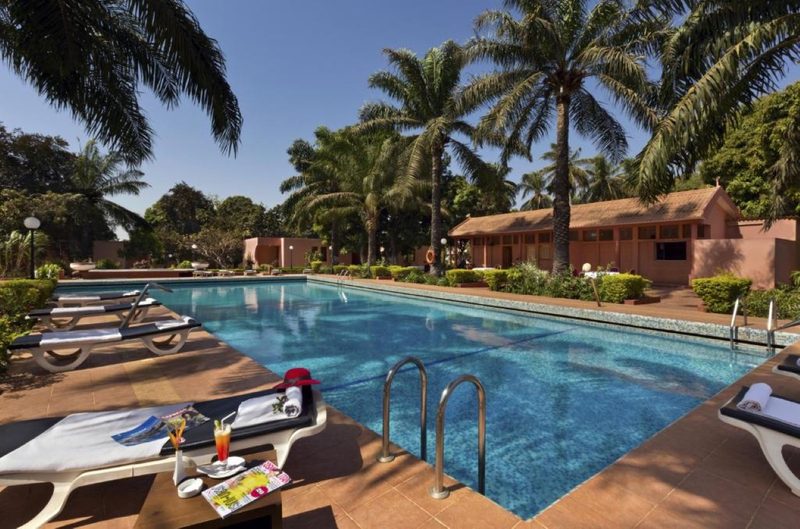
Hand-picked hotels across price tiers for January travellers.

Public Holidays in January
Dates that affect opening hours, transport and crowds
New Year's Day
Observed nationwide as a public holiday.
National Heroes' Day
Observed nationwide as a public holiday.
New Year's Day
Observed nationwide as a public holiday.
National Heroes' Day
Observed nationwide as a public holiday.
Packing Checklist
Bookmark this page — your progress is saved between visits
Need the full list with shopping links?
Climate-specific gear, brand recommendations, and what to leave at home.
View Guinea-Bissau Packing List →Essential Tips
Insider knowledge and common pitfalls to avoid
Insider Knowledge
The Harmattan haze that frustrates photographers in January clears most reliably in the first hour after dawn, roughly between 6:30 and 7:30 AM, before the dust lifts with the warming air. If you want clean light on the Bijagos waterways or Bissau's colonial quarter, that window is your shot. By mid-morning the sky goes white and stays that way.
Guinea-Bissau's Creole culture runs on cashew wine, called caju, fermented from the fruit of the same cashew trees that dominate the economy. January is technically off-season for fresh caju, which peaks in April and May. But you will find aged and distilled versions in Bissau's informal bars, the quintas, usually somebody's front room with plastic chairs and a television. The taste is sharp, acidic, and faintly fruity, an acquired preference but one that every traveler should try at least once. Ask for cana de caju if you want the distilled spirit, which is considerably stronger.
Kriol, the Creole language built from Portuguese and West African roots, is the lingua franca across Guinea-Bissau, spoken by nearly everyone regardless of ethnic group. Portuguese is the official language and works for formal interactions. But switching to even a few phrases of Kriol, like 'kuma di kurpu' for a greeting, changes the way people respond to you. It signals that you have been here before, or at least that you bothered to prepare. Phrasebooks are scarce. Learn what you can from your guide or lodge staff.
The island of Orango Grande, in the southern Bijagos, is home to one of the only populations of saltwater hippos in the world, animals that swim in the ocean between islands and graze on beach grass. January's low water levels in the mangrove channels make sightings more likely, as the hippos concentrate around permanent freshwater pools. They are wild and territorial, not zoo animals, so approach only with an experienced guide and from a respectful distance. The local Bijago communities consider the hippos sacred, and your guide's relationship with the village determines whether you are welcome in hippo territory at all.
Avoid These Mistakes
Do not assume you can wing it with logistics. Guinea-Bissau does not have a functioning tourism infrastructure in the way that Senegal or The Gambia does. Boats to the islands leave when they are full or when the captain decides, not on a published schedule. Accommodations on the Bijagos are limited to a handful of lodges and guesthouses that fill weeks in advance during January. Showing up in Bissau without a plan and hoping to sort out island transport on the day is a recipe for spending three nights in the capital waiting for a boat.
Do not pack light on cash. The CFA franc is the currency, and Guinea-Bissau is overwhelmingly a cash economy. The assumption that you can find an ATM or pay by card will leave you stranded. Carry enough for your entire trip in CFA obtained before arrival or at a Bissau bank, and keep it distributed across your luggage rather than in one wallet.
Do not underestimate the Harmattan's effect on comfort and photography. First-time visitors expect dry season to mean clear skies, but January's Harmattan haze turns the light flat and the air gritty. Landscape photos come out washed, drone footage looks like it was shot through gauze, and dust coats lenses within minutes of cleaning them. Plan for dawn shooting, bring lens cloths in quantity, and adjust your expectations for the golden-hour light that simply does not materialize most January afternoons.
Ready to plan your trip to Guinea-Bissau?
Now that you've got the research covered, here's where to go next.
Explore More Activities in Guinea-Bissau
Didn't see anything interesting yet?
Browse Viator's full catalog of tours, day trips, food experiences, and private guides in Guinea-Bissau.
See All Guinea-Bissau Tours on Viator