Things to Do in Guinea-Bissau in September
September weather, activities, events & insider tips
Low Season · Budget Friendly
September Weather in Guinea-Bissau
Long-run averages for September in Bissau
86°F (30°C)
High Temp
73°F (22°C)
Low Temp
17.1 inches (434 mm)
Rainfall
88%
Humidity
12
Sunny-Day UV
⚠ Heavy rainfall averaging 434 mm (17.1 inches) in Bissau causes widespread flooding on unpaved roads. Overland routes between cities can become impassable for days at a time. Do not rely on scheduled departure times. This applies to any ground transport.
⚠ September is peak malaria transmission season. Standing water from continuous rains creates breeding grounds across the entire country. Prophylaxis is essential, not optional. A mosquito net treated with permethrin should be considered mandatory for sleeping.
⚠ Humidity at 88% combined with temperatures reaching 30°C (86°F) creates heat-stress conditions for anyone not acclimatized. Dehydration happens faster than you expect. Sweat does not evaporate. Your body's cooling mechanism is impaired. Drink water constantly. Limit exertion between 11:00 and 16:00.
Making the most of September in Guinea-Bissau? Browse tours and activities in Guinea-Bissau on GetYourGuide.
Is September Right for You?
Weigh the advantages and considerations before booking
Advantages
- + September 24 turns Bissau into one long party. Parades roll through the streets. Live gumbe music blares from every corner. Locals dance until dawn. This is the deepest cultural immersion you will find in Guinea-Bissau all year. You will likely be the only foreigner watching.
- + September marks the tail end of cashew harvest season, which runs roughly April through September. Fresh-pressed cashew apple juice flows freely. Roasted cashews arrive still warm from the pan. The fermented wine called cana de cajú appears everywhere, at Bandim Market. The tart, slightly astringent bite of freshly squeezed cashew apple is unavailable outside West Africa. Seek it out.
- + Months of rain leave the country at its greenest. The mangrove channels along the Geba River estuary glow almost neon. Laterite roads run blood red against the vegetation. Storm light cuts through with a clarity the dusty harmattan months never match. Photographers, take note.
- + Tourist numbers flatline. The minimal tourism infrastructure moves at a crawl. Guesthouses in Bissau that host NGO workers and scattered backpackers in dry season now sit nearly empty. Conversations with locals lose that transactional edge. Talk happens for its own sake.
Considerations
- − Bissau alone receives 434 mm (17.1 inches) of rainfall. Overland travel becomes difficult. Unpaved roads between towns turn to impassable mud trenches. Even the main highway to Gabú in the east deteriorates badly. A four hour January journey might stretch to eight hours in September. It might not happen at all.
- − Most Bijagós lodges close completely for wet season. Boat crossings from the mainland turn unpredictable or cancel outright. Rough seas and poor visibility make the archipelago unreachable. If the Bijagós islands are your main reason for coming, pick another month. September will disappoint.
- − Healthcare infrastructure is limited year-round. Rainy season spikes mosquito-borne illness, malaria. Standing water pools everywhere. Humidity hits 88%, so insect activity surges from dusk onward. The nearest well-equipped hospital sits in Dakar, Senegal, roughly 450 km (280 miles) north. Plan accordingly.
Short on time in September? See day trips around Guinea-Bissau on GetYourGuide.
Best Activities in September
Top things to do during your visit
Bissau City Cultural Walking Tours
Afternoon downpours break the heat. Mornings in Bissau stay surprisingly pleasant for walking, temperatures near 22°C (73°F) before humidity climbs. Start in Bissau Velho, the crumbling Portuguese colonial quarter along the waterfront. Pastel facades peel in the damp air. The old governor's palace sits half-reclaimed by vegetation. The streets smell of wet laterite and charcoal smoke from breakfast grills. Walk uphill toward Bandim, the commercial heart. Bandim Market sprawls across several city blocks. Smoked fish stack in blackened pyramids. Bolts of bright wax cloth hang from every stall. September brings few tourists. Vendors want conversation, not sales. You will hear more Kriol and Balanta than Portuguese. Finish before noon. Heat and humidity make afternoon walking miserable. The payoff is real. You see Bissau as Bissauans live it, not as visitor backdrop.
Booking Tip: Licensed local guides can be arranged through Bissau guesthouses, typically with a day or two of notice. September means zero competition for availability. Check current options in the booking section below for organized cultural tours.
Geba River Estuary and Mangrove Exploration
The Geba River estuary, where Bissau sits, reaches peak ecological life in September. Water levels run high. Mangrove channels stay navigable deep into the interior. Birdlife explodes. Herons, egrets, and kingfishers work the shallows. Mudskippers pop across exposed roots. The smell hits you immediately. Salt, organic decay, green growth. Bird calls layer over lapping water. Motorized pirogues, those flat-bottomed wooden water taxis, reach channels that run dry or too shallow other months. Water runs brown with sediment. Mangrove roots arch overhead in places. You grasp how much of this coastline is water, not land. Go early morning. Catch the incoming tide before heat turns the air to soup. This activity improves in wet season. Rare.
Booking Tip: Pirogue operators work from the waterfront near Bissau Velho and from Quinhamel, about 30 km (19 miles) west of the capital. Arrange trips the day before. Confirm tide timing. See the booking widget below for current guided river tour options.
Wet-Season Birdwatching in Coastal Wetlands
Guinea-Bissau's coastline and river systems hold one of West Africa's most significant wading bird concentrations. September, when wetlands flood fully, brings prime conditions for species needing high water. The mudflats and mangroves around Cacheu River Natural Park, roughly 100 km (62 miles) north of Bissau, host flamingos, pelicans, and Palearctic migrants arriving as European summer ends. The park covers estuary and mangrove forest that feels remote. Moisture thickens the air. Insects hum. Sightings need no hides or organized setups. No human pressure touches these birds. Reaching Cacheu demands four-wheel drive and tolerance for roads that may require fording water crossings. The reward is birdwatching unsanitized for visitors. You are the only person with binoculars. The mud sucks at your ankles.
Booking Tip: No formal birdwatching operators run regular September schedules. Arrange a driver with a 4x4 through your accommodation in Bissau and allow a full day for the round trip to Cacheu. Book well ahead if you need specialist birding guides, as they are few. Check the booking section for any available nature tours.
Independence Day Celebrations in Bissau
September 24 marks Guinea-Bissau's declaration of independence from Portugal in 1973, and the capital comes alive with a concentration of energy that the rest of the year never matches. The percussion is built on calabash drums and tina, the repurposed tin cans that produce a sharp metallic crack underneath the deeper rhythms. By evening, outdoor stages host live performances, and the streets around the Praça dos Heróis Nacionais turn into an open-air party where the smell of grilled fish and roasted cashews mixes with dust kicked up by dancing. As a foreigner, you will draw curiosity and warmth in roughly equal measure. This is the one day where Guinea-Bissau's normally quiet capital feels like a West African metropolis, and you do not need a ticket or a reservation to experience any of it.
Booking Tip: No booking required for public celebrations. Arrive in Bissau at least two days before September 24 to settle in, as transport becomes erratic on the holiday itself. Guesthouses near the city center fill with returning diaspora visitors, so confirm accommodation two to three weeks ahead.
Cashew Harvest and Rural Village Visits
September catches the very end of the cashew campaign, the annual harvest that drives Guinea-Bissau's economy and defines rural life from April onward. In villages outside Bissau, in the Bafatá and Oio regions to the east and north, you can still see families spreading raw cashew nuts on concrete pads to dry in whatever sun breaks through the clouds, the sweet-sour smell of discarded cashew apples fermenting in piles at the edge of the clearing. The cashew apple itself, a yellow or red fleshy fruit from which the familiar kidney-shaped nut hangs, has an astringent, almost tannin-heavy flavor when eaten fresh, nothing like the bland roasted nut you know from a tin. Villagers press the fruit into juice or let it ferment into cana de cajú, a rough, slightly fizzy cashew wine that tastes like cloudy cider with a bite. Visiting during the harvest tail means seeing the crop being processed rather than just planted, and conversations about pricing, export buyers, and the politics of cashew are unavoidable because this single crop shapes everything.
Booking Tip: Rural visits require a local guide who speaks Kriol and ideally the regional language of whatever area you visit, Fula in Bafatá, Balanta or Manjaco elsewhere. Arrange through guesthouses in Bissau with at least three to four days of lead time. See the booking section below for cultural and community tour options.
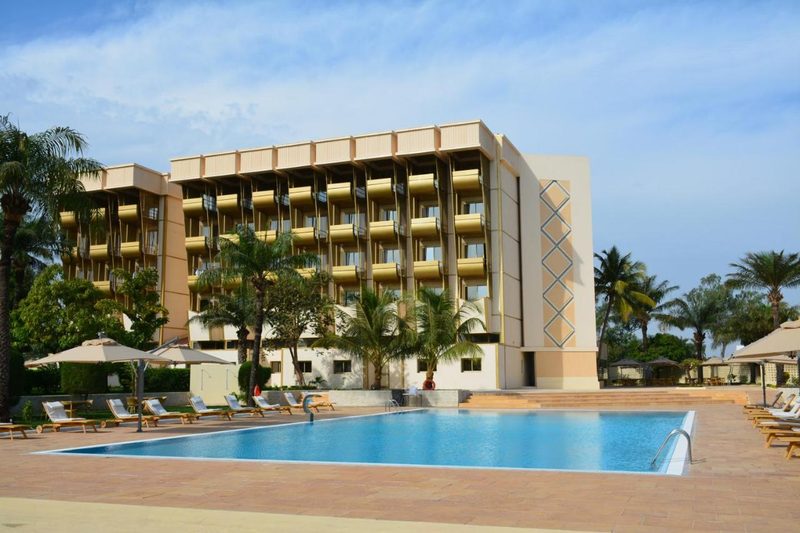
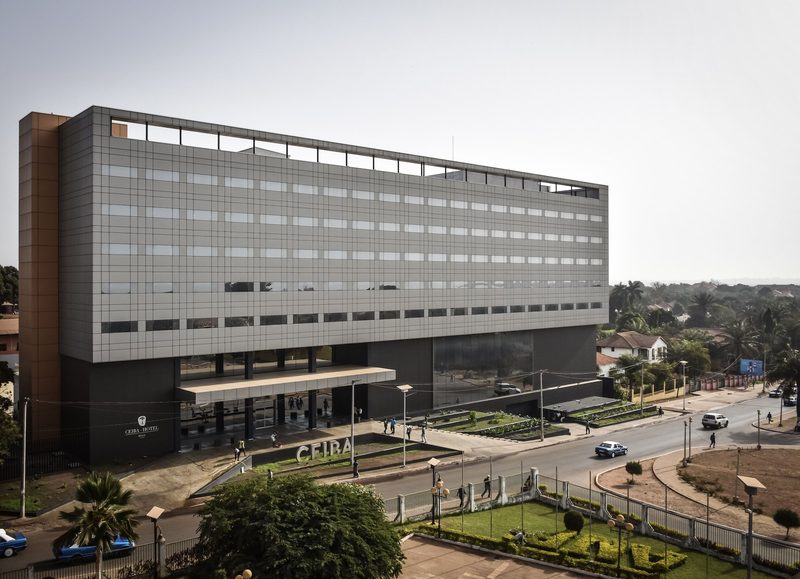
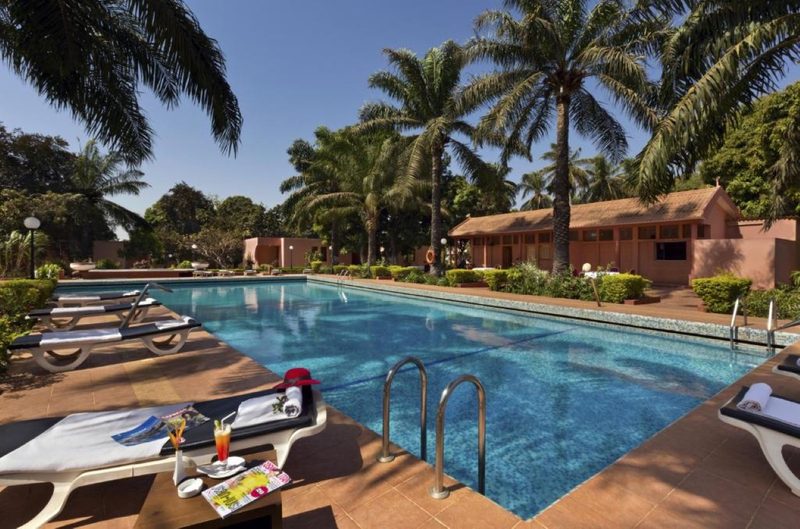
Where to Stay in Guinea-Bissau in September
Hand-picked hotels across price tiers for September travellers.
Public Holidays in September
Dates that affect opening hours, transport and crowds
Independence Day
Observed nationwide as a public holiday.
Independence Day
Observed nationwide as a public holiday.
Packing Checklist
Bookmark this page — your progress is saved between visits
Need the full list with shopping links?
Climate-specific gear, brand recommendations, and what to leave at home.
View Guinea-Bissau Packing List →Essential Tips
Insider knowledge and common pitfalls to avoid
Insider Knowledge
Kriol, not Portuguese, is the language of daily life in Bissau and across most of the country. Learn five phrases. 'Kuma ku bu sta' means how are you. 'Obrigadu' covers thank you. Most Guineans will switch to Portuguese for you if asked. The warmth you get for attempting Kriol is immediate and real.
The cashew wine sold in recycled plastic bottles at Bandim Market and roadside stalls varies wildly in quality. The best batches have a clean, slightly fizzy tartness. The worst will give you a headache before you finish the bottle. Ask to taste before buying. Watch for cloudiness. In this case, it is normal and not a warning sign.
September afternoons follow a predictable rhythm. The sky darkens around 14:00. The rain arrives between 14:30 and 16:00 in a violent burst. By 17:00 the air has cooled enough to make the evening comfortable. Plan all outdoor activities for morning. Use the storm window for eating, resting, or sitting in a guesthouse common area watching the downpour hammer the courtyard.
Exchanging currency is easier at informal cambistas around Bandim Market than at the few banks that keep irregular hours. The West African CFA franc is the local currency, pegged to the euro. If you arrive with euros you already know the rate. Carry small denominations. Change for large notes is scarce everywhere outside the capital.
Avoid These Mistakes
Planning a September trip around the Bijagós Archipelago. Most island lodges close from June through October. Boat crossings are cancelled without notice during storms. The seas between the mainland and the archipelago can be dangerously rough. If the islands are your goal, come between November and April.
Underestimating overland travel times. A distance that looks like two hours on a map can take five or more in September when unpaved roads flood and vehicles get stuck. Build extra days into any itinerary that involves leaving Bissau. Never plan a tight connection between an upcountry trip and a flight out.
Skipping malaria prophylaxis because 'it is only a short trip.' September is peak mosquito season. Standing water is everywhere. Malaria transmission rates are among the highest in West Africa during the rains. Consult a travel health clinic at least four weeks before departure. Take the full course of whatever medication they prescribe.
Ready to plan your trip to Guinea-Bissau?
Now that you've got the research covered, here's where to go next.
Explore More Activities in Guinea-Bissau
Didn't see anything interesting yet?
Browse Viator's full catalog of tours, day trips, food experiences, and private guides in Guinea-Bissau.
See All Guinea-Bissau Tours on Viator