Things to Do in Guinea-Bissau in December
December weather, activities, events & insider tips
Low Season · Budget Friendly
December Weather in Guinea-Bissau
Long-run averages for December in Bissau
87°F (30°C)
High Temp
66°F (18°C)
Low Temp
0.1 inches (3 mm)
Rainfall
49%
Humidity
8
Sunny-Day UV
⚠ Expect Harmattan haze. Sahara dust arrives mid-December. Air quality drops. Visibility suffers. Most people manage fine. Asthma sufferers should pack medication. Consider a face covering. Prepare accordingly.
⚠ Malaria persists year-round. December brings fewer mosquitoes, not zero risk. Take antimalarial prophylaxis. Use repellent. Cover up at dusk. All three. No exceptions.
Making the most of December in Guinea-Bissau? Browse tours and activities in Guinea-Bissau on GetYourGuide.
Is December Right for You?
Weigh the advantages and considerations before booking
Advantages
- + December lands squarely in the dry season. Rainfall in Bissau drops to virtually zero, and skies over the Bijagós Archipelago stay clear. Roads that dissolve into impassable clay rivers from June through October firm up now. Overland travel to Cantanhez National Park and the southern coast becomes possible. Parts of the country simply cannot be reached for half the year.
- + Humidity falls to around 49 percent. This is a dramatic shift from the 88 percent that smothers Guinea-Bissau in August. The air feels lighter. Nights cool to 18°C (66°F). A Harmattan breeze carries the faint mineral smell of Saharan dust. You can walk through Bissau's old quarter in the afternoon without the drenched-shirt discomfort that defines the wet months.
- + December marks peak season for birdwatching across the Bijagós. Migratory shorebirds from Europe and the Arctic converge on the mudflats in staggering numbers. The islands' tidal flats become one of the most important wintering grounds on the entire East Atlantic Flyway. Species counts rival the Banc d'Arguin in Mauritania.
- + The country receives so few international visitors that you will likely be one of a handful of foreigners on any given island, even in its best month. That absence of tourist infrastructure is also an absence of tourist performance. Conversations happen in Kriol because nobody expects you. Ceremonies continue because they are not staged. The pace of daily life on islands like Bubaque or Orango follows tides, not itineraries.
Considerations
- − Guinea-Bissau's infrastructure remains limited by any measure. No reliable ATM network exists outside Bissau. Electricity on the islands depends on generators. The hospital system cannot handle serious emergencies. Medical evacuation to Dakar or Lisbon is the realistic plan for anything beyond basic treatment. Travel insurance with evacuation coverage is non-negotiable.
- − Reaching Guinea-Bissau means routing through Lisbon or Dakar. Flight frequency is limited, and connections can shift without much warning. Internal transport to the Bijagós depends on infrequent boats and small charter flights that cancel for mechanical reasons more often than weather. December's clear skies help. Build in a buffer day. The price of doing business here demands it.
- − December's dry heat and Harmattan dust can irritate airways and reduce visibility on some days. The haze rolling off the Sahara turns sunsets a deep burnt orange. This is striking. But the air carries a gritty, slightly metallic quality that people with respiratory sensitivities will notice, in Bissau where vehicle exhaust mixes with the dust.
Short on time in December? See day trips around Guinea-Bissau on GetYourGuide.
Best Activities in December
Top things to do during your visit
Bijagós Archipelago Island Excursions
The Bijagós Archipelago, a UNESCO Biosphere Reserve of 88 islands scattered across the Atlantic off Guinea-Bissau's coast, draws most travelers here. December is arguably the single best month to visit. The seas between the islands flatten once the rains end. Two-to-four-hour boat crossings from Bissau to Bubaque become manageable rather than harrowing. Bubaque is the operational base. Sandy tracks lead between palm-thatch compounds. The smell of smoked fish drifts from drying racks along the shore. Day trips reach islands where Bijagó communities maintain animist traditions largely unchanged by outside contact. Saltwater hippos wade through mangrove channels on Orango Grande. Beaches of pale sand stretch for kilometres with nobody on them. The water is warm enough to swim without hesitation. December light, filtered through faint Harmattan haze, turns the shallows a milky turquoise that deepens to green over the seagrass beds. Plan three to four nights minimum on the archipelago. Anything less means more time on boats than on land.
Booking Tip: Arrange island logistics through a locally connected operator at least three to four weeks ahead. December is dry-season peak. The limited number of boats and island guesthouses fill up. Look for operators who run their own vessels rather than subcontracting. Confirm that the boat carries safety equipment and a functioning radio. See current options in the booking section below.
Birdwatching on the Bijagós Mudflats
If you have even a passing interest in birds, the Bijagós in December will recalibrate your sense of scale. The archipelago's intertidal mudflats, exposed at low tide in vast shimmering sheets that smell of salt and warm organic mud, host hundreds of thousands of migratory waders. Whimbrels, bar-tailed godwits, ringed plovers, and western reef herons feed in concentrations dense enough that flock movements create a visual pulse across the flats. Thousands of birds lift and resettle in synchronized waves. João Vieira and Poilão Marine National Park, in the southern cluster, forms the epicentre. The mudflats around Bubaque and Soga offer closer access without requiring a multi-day expedition. Dawn is the window. Light stays low and golden. Birds stay active before heat builds. Tide timing in December tends to favour early-morning exposure of the feeding grounds. Bring binoculars rated for saltwater humidity. Bring a scope if you are serious. The silence out there, broken only by piping calls echoing off flat water, is the sort of quiet that makes you aware of your own breathing.
Booking Tip: Specialist birdwatching trips to the outer islands need arrangement well in advance, ideally six weeks or more. The boats capable of reaching the southern protected areas are few. Guides who know the tidal patterns and bird concentrations form a small community. Ask whether the operator contributes to the Bijagós conservation levies. General options are listed in the booking section below.
Bissau City Walking and Market Culture
Bissau does not sell itself and it does not try. The capital is rough-edged, loud, and honest. Slow down here. Observe everything. Start in the old Portuguese colonial quarter near the waterfront. Crumbling Art Deco facades with rusted balconies stand alongside buildings still pocked from the 1998 civil war. Their walls now carry hand-painted shop signs in Portuguese and Kriol. The Mercado de Bandim is the city's gravitational centre. Step inside. A large covered market greets you immediately. The air is thick with the peppery sweetness of ground dried shrimp. You will find stacked pyramids of Maggi cubes and bolts of wax-print fabric in colours that seem chemically impossible. A sharp tang of palm oil heated in blackened pots hangs heavy. In December, the dry-season comfort means the market operates at full tilt without the rain-driven shutdowns of August. Walk in the morning when the fishmongers at the waterfront end of the market are unloading the overnight catch, silver and still twitching. The women selling mancarra, the local groundnuts, roast them over charcoal in wide flat pans. A nutty, slightly scorched aroma drifts across entire city blocks. Get there early. Do not miss it.
Booking Tip: Skip formal reservations. Hire a local guide through your accommodation for context and Kriol translation. Half a day is enough for the colonial quarter and Bandim market. A full day lets you reach the quieter residential neighbourhoods where the pace drops further. Guided city walks may appear in the booking section below. Book early.
Orango Grande Saltwater Hippo Tracking
Orango Grande, the largest island in the southern Bijagós, is home to a population of hippopotamuses that have adapted to saltwater. They wade through mangrove-fringed tidal channels and feed on coastal grasses. This behaviour appears almost nowhere else on earth. December's receding water levels concentrate the hippos into predictable channels. Dry foliage makes visual tracking considerably easier than in the wet months when everything is green and overgrown. The approach is by boat. Motor slowly up the narrow channels where the water turns from clear to tannin-dark. Mangrove roots form arched tunnels overhead. The sound of the outboard gives way to the pop and gurgle of hippos surfacing. These are wild animals in an unmanaged landscape. They are not a park with viewing platforms. The encounter carries real weight precisely because nothing has been arranged for your comfort. The guides from local Bijagó communities read the tidal movements and hippo behaviour with a fluency born from coexistence, not tourism training. Allow a full day for the trip from Bubaque, including the open-water crossing and the channel navigation. Watch the tide.
Booking Tip: This requires coordination with island-based guides who have community permission to enter Orango's protected zones. Book through operators with established relationships on the island, at least two to three weeks ahead. Group sizes are kept small by the boat capacity and the sensitivity of the hippo habitat. Check the booking section below for available excursions. Plan carefully.
Cantanhez National Park Forest Trekking
On the mainland, in Guinea-Bissau's deep south, Cantanhez National Park protects one of the last significant patches of sub-humid forest in West Africa. The park is home to western chimpanzees, a critically endangered population that researchers have been studying for decades. You will also find colobus monkeys and forest elephants in small numbers. A density of birdlife here outmatches the open savannah to the north. December is optimal for trekking here. The forest trails become treacherous mud slides during the rains. They are dry and firm underfoot now. Reduced canopy cover improves visibility into the upper branches where the primates feed. The walk in from the nearest road is itself the experience. You move from dry cashew orchards into the humid interior forest. The temperature drops noticeably. The air fills with the wet-earth smell of decomposing leaves and the rhythmic clicking of insects. This transition happens over the space of a few hundred metres and feels like crossing a border. The chimpanzee sightings are not guaranteed. The trackers employed by the park know the ranging patterns intimately. December's drier conditions mean the chimps are drawn to predictable water sources. Move quietly.
Booking Tip: Cantanhez requires overland travel from Bissau, roughly five to six hours on roads that improve dramatically in the dry season but remain unpaved. Arrange transport and park guides through operators who work directly with the local communities managing the forest. Two nights in the area is the minimum for a meaningful experience. Book at least three weeks ahead. See the booking section below for current options. Secure seats early.
Traditional Fishing Excursions off Bubaque
The waters around the Bijagós are among the richest fishing grounds in West Africa. They are fed by nutrient upwellings and the mixing of freshwater outflows from Guinea-Bissau's estuaries with the Atlantic. In December, the calm seas and clear water create ideal conditions for both trolling offshore and fishing the shallower reefs closer to the islands. The catch depends on the day. It depends on the depth. Barracuda, jack crevalle, red snapper, and the occasional tarpon are realistic possibilities. What makes this different from sport fishing elsewhere is the context. You fish from a pirogue, a brightly painted wooden canoe with an outboard motor, alongside Bijagó fishermen who have worked these waters their entire lives. They read the currents, bird activity, and water colour with a precision that no fishfinder replicates. The midday sun on the open water is fierce. It reflects off the surface with an intensity that feels physical. Salt spray dries on your skin in a fine white crust. Afternoons back at the shore, the catch goes straight onto a charcoal grill on the beach. The fish skin crisps and splits to reveal white flesh. It tastes of nothing but the sea it came from an hour earlier. Eat immediately. Watch the sky.
Booking Tip: Fishing trips can be arranged through island guesthouses on Bubaque with a day or two of notice, though booking a week ahead secures the best boats and most experienced crews. Confirm that the operator follows sustainable catch limits. Half-day and full-day options exist. The booking section below may list current fishing excursion availability.
Where to Stay in Guinea-Bissau in December
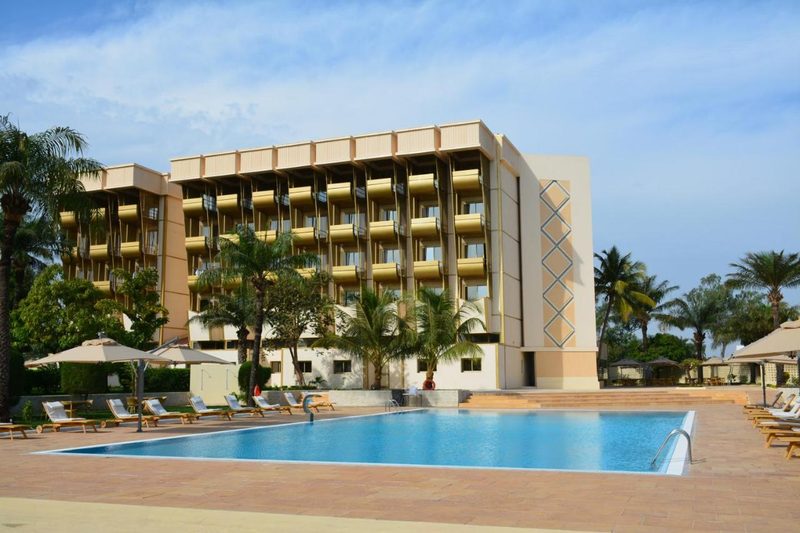
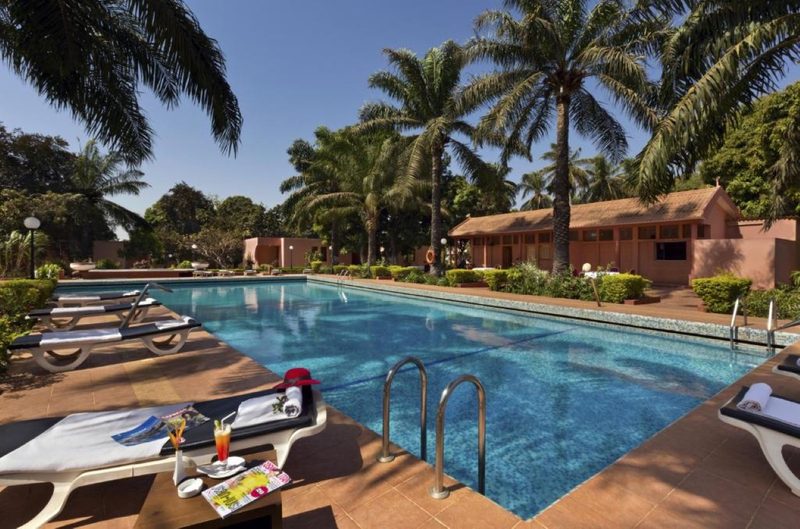
Hand-picked hotels across price tiers for December travellers.

Public Holidays in December
Dates that affect opening hours, transport and crowds
Christmas Eve
Observed nationwide as a public holiday.
Christmas Day
Observed nationwide as a public holiday.
New Year's Eve
Known in English as New Year's Evey. Observed nationwide as a public holiday.
Christmas Eve
Observed nationwide as a public holiday.
Christmas Day
Observed nationwide as a public holiday.
New Year's Eve
Known in English as New Year's Evey. Observed nationwide as a public holiday.
Christmas Eve
Observed nationwide as a public holiday.
Christmas Day
Observed nationwide as a public holiday.
New Year's Eve
Known in English as New Year's Evey. Observed nationwide as a public holiday.
Packing Checklist
Bookmark this page — your progress is saved between visits
Need the full list with shopping links?
Climate-specific gear, brand recommendations, and what to leave at home.
View Guinea-Bissau Packing List →Essential Tips
Insider knowledge and common pitfalls to avoid
Insider Knowledge
Learn ten phrases in Kriol, not Portuguese. While Portuguese is the official language, Kriol is what Guinea-Bissau speaks, and even a clumsy attempt at 'kuma ku bu sta' (how are you) opens conversations that Portuguese alone does not. On the Bijagós, the Bijagó language takes precedence. But Kriol remains the bridge.
The boat schedules between Bissau and Bubaque are theoretical. The posted departure times bear only a loose relationship to when the vessel leaves, which is when it is full enough to justify the fuel. Build slack into your island plans and treat the crossing as part of the experience rather than a logistics problem. Chartering a smaller boat costs more but lets you control timing.
December's Harmattan haze peaks in the second half of the month, and the dust it carries can ground the small charter flights to the Bijagós without notice. If your return to Bissau depends on catching an international connection, leave by boat a day earlier than you think necessary. The sea route does not cancel for dust.
Caldo de mancarra, the groundnut stew slow-cooked with palm oil, smoked fish, and whatever vegetable is in season, is Guinea-Bissau's defining dish, and the best versions come from home kitchens rather than the few restaurants in Bissau. If your guesthouse host offers to cook, say yes. The stew arrives in a communal bowl with a mound of rice, and eating with your right hand, as locals do, is both the custom and, frankly, the better way to control the ratio of sauce to grain.
Avoid These Mistakes
Attempting to see both Bissau and the Bijagós in less than a week. The transit times between the capital and the islands eat at least a full day each direction, and arrival days on Bubaque are recovery days, not activity days. Ten days is the realistic minimum for a trip that does not feel rushed.
Arrive with CFA cash. Cards fail outside Bissau. The island economy runs on physical currency. Running out strands you. You will depend on strangers until you return to the capital. Plan ahead.
Skip the resort mindset. The Bijagós beaches are extraordinary, empty, wild. No infrastructure exists. No bars. No chairs. No lifeguards. This is raw coast. The reward matches your comfort with discomfort.
Ready to plan your trip to Guinea-Bissau?
Now that you've got the research covered, here's where to go next.
Explore More Activities in Guinea-Bissau
Didn't see anything interesting yet?
Browse Viator's full catalog of tours, day trips, food experiences, and private guides in Guinea-Bissau.
See All Guinea-Bissau Tours on Viator