Things to Do in Guinea-Bissau in August
August weather, activities, events & insider tips
Low Season · Budget Friendly
August Weather in Guinea-Bissau
Long-run averages for August in Bissau
86°F (30°C)
High Temp
73°F (22°C)
Low Temp
26.9 inches (683 mm)
Rainfall
88%
Humidity
12
Sunny-Day UV
⚠ Peak malaria transmission season. Anopheles mosquito density is at its annual maximum due to widespread standing water. Prophylaxis, treated nets, and DEET repellent are non-negotiable, and the nearest adequate medical facility for severe malaria treatment may be in Dakar, Senegal, a flight away. Pack backup medication. Book evacuation insurance. Do not skip this.
⚠ Flash flooding on unpaved roads can strand vehicles for hours or days, on routes south of Bissau and in the interior toward Bafata and Gabu. River crossings that are shallow fords in the dry season become dangerous in August. Check conditions daily. Carry satellite communications. Wait it out.
⚠ Atlantic swells and storm squalls make open-water boat crossings to the Bijagos Archipelago unpredictable. Cancellations are frequent, and smaller pirogues without covered cabins expose passengers to driving rain and rough seas on crossings that can take three to four hours. Pack waterproof everything. Confirm departure windows. Flexibility wins.
Making the most of August in Guinea-Bissau? Browse tours and activities in Guinea-Bissau on GetYourGuide.
Is August Right for You?
Weigh the advantages and considerations before booking
Advantages
- + Sea turtle nesting season peaks on the Bijagos Archipelago, with green turtles hauling themselves onto the beaches of Poilao Island in numbers that make it one of the most important nesting sites in the entire Atlantic. Watch a 150 kg (330 lb) turtle dig her nest at dusk, with no one else on the beach. That encounter stays with you for decades.
- + The landscape transforms into something almost unrecognizable from the dry season. Rice paddies flood into mirrors that reflect enormous anvil-shaped thunderheads, the baobabs leaf out fully, and every laterite track is bordered by waist-high green grass. For photographers, the light after an afternoon storm, when the sun breaks through copper-edged clouds over the Geba River, is as good as anything in West Africa.
- + You will likely be the only foreign traveler in most places you visit. Guinea-Bissau already receives fewer visitors in a year than many destinations get in a weekend, and August thins that number to almost nothing. Restaurants, guesthouses, and pirogue operators give you undivided attention, and conversations happen because people are curious, not because they are working a sales pitch.
- + Accommodation rates tend to soften noticeably from the already moderate baseline, and negotiating becomes easier when rooms are sitting empty. The few operators running Bijagos boat transfers are more flexible with schedules and more willing to build custom itineraries when they are not managing peak-season logistics.
Considerations
- − August dumps more rain on Guinea-Bissau than any other month. Bissau averages 26.9 inches (683 mm), and it arrives not as polite afternoon drizzle but as violent downpours that turn unpaved roads into rivers of red mud. Overland travel between towns that takes two hours in January can take six or simply become impossible. The road south from Bissau toward Buba is notorious for washouts, and you should expect at least one journey during your trip to be rerouted or delayed by a day.
- − Malaria transmission peaks sharply during the rains. Standing water is everywhere, and mosquitoes are aggressive from dusk onward. Prophylaxis is not optional, a treated bed net is essential even in guesthouses that claim to have screens, and DEET-based repellent should be applied to every exposed surface of skin every evening without exception. Medical facilities in Guinea-Bissau are extremely limited outside Bissau's Simao Mendes Hospital, and even there, capacity is constrained.
- − Boat crossings to the Bijagos Archipelago become rougher and less predictable. The Atlantic swell increases, departures from Bissau's port of Pidjiguiti or from Bubaque get cancelled on short notice, and the open-water crossings on smaller pirogues that are pleasant in February can be uncomfortable in August swells. Seasickness medication is worth packing even if you have never needed it before.
Short on time in August? See day trips around Guinea-Bissau on GetYourGuide.
Best Activities in August
Top things to do during your visit
Green Turtle Nesting Expeditions on Poilao Island
Poilao, a tiny uninhabited island in the southern Bijagos, hosts one of the densest green turtle nesting concentrations in the Atlantic, and August sits squarely in the peak window. Guided overnight visits are organized through conservation programs operating out of Bubaque, the archipelago's main inhabited island. You camp on the beach, and after dark a guide leads you to nesting females. The turtles are enormous, their shells dark and wet, and the sound of their flippers scraping sand in the humid night air, with no artificial light anywhere on the horizon, is something a hotel lobby slideshow cannot approximate. The heat at night hovers around 24 degrees C (75 degrees F) with saturating humidity, so expect to sweat through everything you are wearing. Trips typically run two to three days including transit from Bubaque, and group sizes are kept small to minimize disturbance to nesting females.
Booking Tip: Arrange through licensed conservation operators based on Bubaque Island at least three to four weeks ahead, as boat availability is limited in August and group sizes are capped. The booking widget below may show current Bijagos options. Confirm that your operator has a formal agreement with the marine park authority, and ask specifically about their cancellation policy for weather delays, which are common this month.
Mangrove Pirogue Journeys through the Geba and Cacheu Estuaries
The rainy season floods Guinea-Bissau's mangrove channels to their fullest extent, opening waterways that are mudflats or impassable shallows the rest of the year. A motorized pirogue ride through the mangroves around the Cacheu River estuary or the channels south of Bissau is quieter than you expect, the engine cut once you enter the narrow passages, the only sounds the drip of water off aerial roots and the sharp calls of kingfishers. The water runs tannin-dark, and the mangrove canopy closes overhead in places until you are moving through a green tunnel that smells of salt and wet wood. Birdlife is exceptional, with herons, egrets, and the occasional African fish eagle perched in the open. These trips work best in the morning before the day's rain builds, departing around seven and returning by noon.
Booking Tip: Arrange pirogue hire through your guesthouse in Bissau or Cacheu town a day or two in advance. Guides who know the tidal patterns are essential because the channels shift with the tide and a wrong turn at low water can leave you grounded for hours. Bring waterproof bags for everything and wear shoes that can handle mud. See the booking section below for current availability.
Walking Bissau's Colonial Quarter and Pidjiguiti Waterfront
Bissau's old town rewards slow exploration. Walk it in a morning. But linger around Pidjiguiti port and the crumbling Pombaline buildings along Avenida Amilcar Cabral. August heat hits 30 degrees C (86 degrees F) with near-total humidity. Start at seven before the air thickens. The Presidential Palace still shows bullet holes from past upheavals. It faces a waterfront where fishing pirogues unload each morning. The smell hits you. Salt, motor oil, fish scales drying in equatorial sun. The Mercado de Bandim sprawls under its roofed labyrinth. Find dried shrimp in copper pyramids. Find bolts of West African wax print. Vendors are direct, often funny. A few words of Kriol, the creole lingua franca, opens doors. Portuguese alone does not.
Booking Tip: Skip the tour booking. Walk Bissau yourself. But a local guide who speaks Kriol and knows the vendors transforms everything. Ask at your guesthouse. Check the booking widget below for guided options. Morning hours before ten are your window. By noon, heat and humidity make walking unpleasant. Afternoon rains flood low streets near the port.
Birdwatching in the Bijagos Biosphere Reserve
The Bijagos Archipelago holds UNESCO Biosphere Reserve status. August brings resident species plus early Palearctic arrivals to mudflats, mangroves, and palm forests. The islands host grey-headed kingfisher, palm-nut vulture, western reef heron. Intertidal zones around Orango and Formosa draw waders in mainland-dwarfing numbers. Mornings stay clear enough for optics before clouds build. The humidity punishes your body. It stills the air. Birds stay active past sunrise. Rainy-season canopy green makes forest species harder to spot. Calls carry further in wet air. Birding here in August demands listening as much as looking. Expect to hear as many species as you see.
Booking Tip: Bijagos birding trips need coordination with boat operators and island guides. Plan three weeks ahead. Seek operators with naturalist guides, not general tourism hands. Species identification here demands local expertise. The booking widget below may list options. Bring a waterproof scope cover. Pack silica gel packets for binoculars. Humidity fogs unprotected optics within minutes.
Sampling Guinea-Bissau's Rice-and-Fish Cooking Tradition
Guinea-Bissau's food culture centers rice, fish, palm oil. The combinations run simpler and more direct than most West African cuisines. August, when pirogues still work inshore waters despite rains, is prime eating season in Bissau. Caldo de mancarra defines the country. Groundnut stew slow-cooks until peanut paste thickens rich and earthy. Served over rice with sharp piri-piri on the side. The smell gives it away. Roasted peanut and palm oil mingle with wood-fire smoke. You will identify the kitchen from a block away. Chabeu, palm oil and fish stew with okra, carries a slippery, almost silky texture. Newcomers need a meal or two. By the third plate, you will order it deliberately. Grilled barracuda and grouper appear at waterfront spots along Pidjiguiti. The Mercado de Bandim holds cooked-food stalls where women serve massive jollof rice plates at midday.
Booking Tip: No formal food tour industry exists here. This is part of the appeal. Your guesthouse owner knows which stalls and kitchens are cooking well that day. Eat where locals eat in volume. Stick to food freshly cooked and served hot. Carry your own water. The booking widget below may show broader Bissau cultural experiences including food.
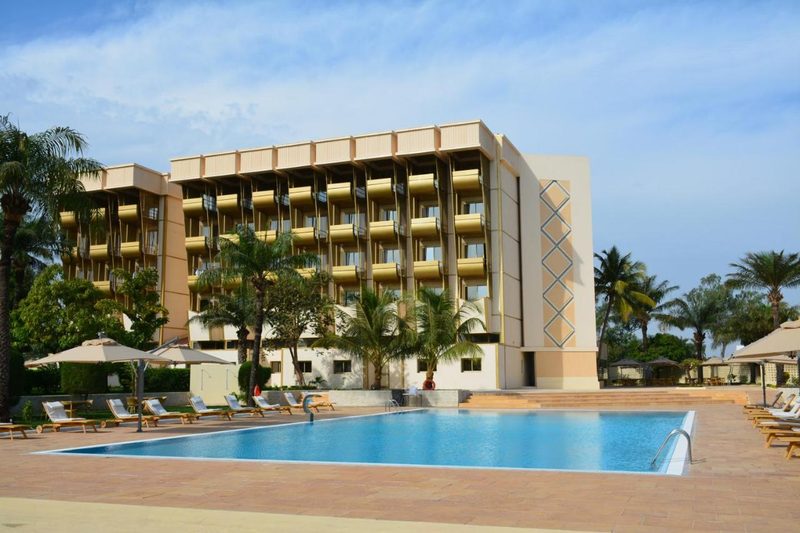
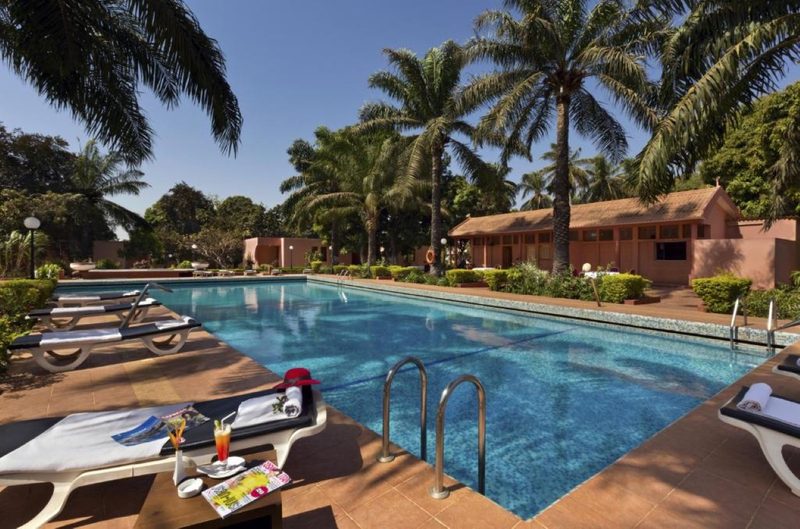
Where to Stay in Guinea-Bissau in August
Hand-picked hotels across price tiers for August travellers.

Packing Checklist
Bookmark this page — your progress is saved between visits
Need the full list with shopping links?
Climate-specific gear, brand recommendations, and what to leave at home.
View Guinea-Bissau Packing List →Essential Tips
Insider knowledge and common pitfalls to avoid
Insider Knowledge
Learn ten phrases in Kriol, not Portuguese. Portuguese is the official language. Kriol is the real lingua franca. This Portuguese-based creole marks you as someone who did more than skim a guidebook. Try 'kuma di kurpu' (how are you), 'n sta bon' (I'm fine), and 'obrigadu' (thank you). These unlock warmer receptions at market stalls and in taxis. Bissau's Kriol carries a musical cadence. It sounds nothing like Lisbon Portuguese. Locals appreciate the effort. Your pronunciation can be terrible.
The cashew fruit defines August drinking in Guinea-Bissau. Cashew season peaks earlier. Fermented cashew wine called caju remains available through August from home producers. Caju tastes sharp and slightly fizzy. Its smell lands somewhere between overripe apple and vinegar. It comes in recycled bottles with no labels. Quality varies wildly. Accept an offered glass as a social gesture. Sip cautiously the first time. The hangover from bad caju is legendary even by local standards.
Do not attempt overland travel south of Buba or east toward Gabu without confirming road conditions that same day. August rains make laterite roads impassable without warning. Your guesthouse, taxi drivers, and anyone who drove the route in the past 24 hours form your intelligence network. The road from Bissau to Gabu is tarmacked and usually passable. Bridges and shoulders wash out. Pack extra water and food. Bring a willingness to wait. This is not caution. It is basic logistics.
Bissau's nightlife centers on live gumbe music. Find it in small open-air bars in Chao de Papel and Bairro Militar. August weekends surprise you. They can be lively despite the rains. Shows start late, rarely before ten at night. The music runs until generator fuel runs out or rain overwhelms the outdoor sound system. A good gumbe band features calabash percussion and call-and-response vocals. The rhythm reverberates in your chest. The dancing is communal and unpretentious. Nobody cares if you do not know the steps.
Avoid These Mistakes
Never arrive without confirmed onward boat transport to the Bijagos. In August, boat departures cancel frequently due to weather. Showing up at Pidjiguiti port hoping to find a pirogue to Bubaque is a gamble. It often costs you two or three days of waiting. Pre-arrange your crossing through a guesthouse or operator on Bubaque. Confirm by phone the morning of departure. Build flexibility into your itinerary. Absorb at least one weather delay.
Do not underestimate malaria risk on a short trip. Mosquito density in August is extreme. A single unprotected evening enables transmission. Travelers who skip prophylaxis for a week, or who forget repellent for one evening walk, end up needing treatment. Start prophylaxis before arrival. Sleep under a treated net every night. Apply repellent at dusk without exception.
Do not expect infrastructure to function predictably. Flights to and from Bissau are limited. They reschedule without notice. Domestic air service is essentially nonexistent. ATMs in Bissau exist but run out of cash. Credit cards are accepted almost nowhere. Arrive with enough West African CFA francs for your entire stay. Source them in Dakar or elsewhere before entering. Confirm your outbound flight directly with the airline at least 48 hours before departure.
Ready to plan your trip to Guinea-Bissau?
Now that you've got the research covered, here's where to go next.
Explore More Activities in Guinea-Bissau
Didn't see anything interesting yet?
Browse Viator's full catalog of tours, day trips, food experiences, and private guides in Guinea-Bissau.
See All Guinea-Bissau Tours on Viator